
Services
Cancer prevention
Education, prevention, and survivorship.
Do you know when you need a cancer screening?
Let one of our Community Health Workers help you. Our CHWs help educate people about cancer prevention and screening, connect clients to healthcare providers, provide linkages to financial and community resources, and navigate patients through the healthcare system.
Cancer prevention screenings

Breast cancer screening
- Women, beginning at age 40, should get a screening mammogram each year.
- Family history of breast cancer may lead to earlier screening.
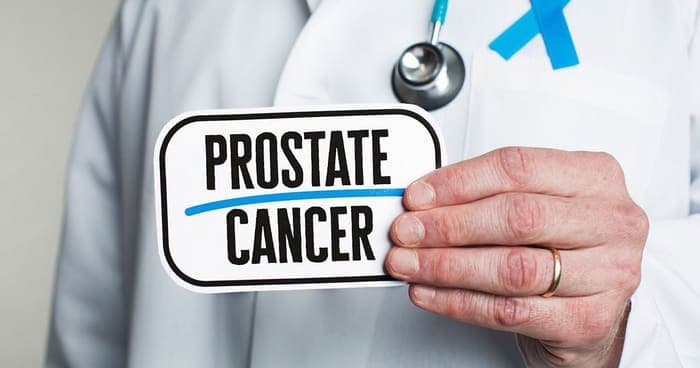
Prostate cancer screening
- Men at age 50 who are at average risk should begin a conversation with their doctor.
- African American men are at higher risk.
- Family history of prostate cancer may lead to earlier screening.

Colorectal cancer screening
- Men and women at age 45 who have average risk should have their first colonoscopy.
- Family history of colorectal cancer may lead to earlier screening.
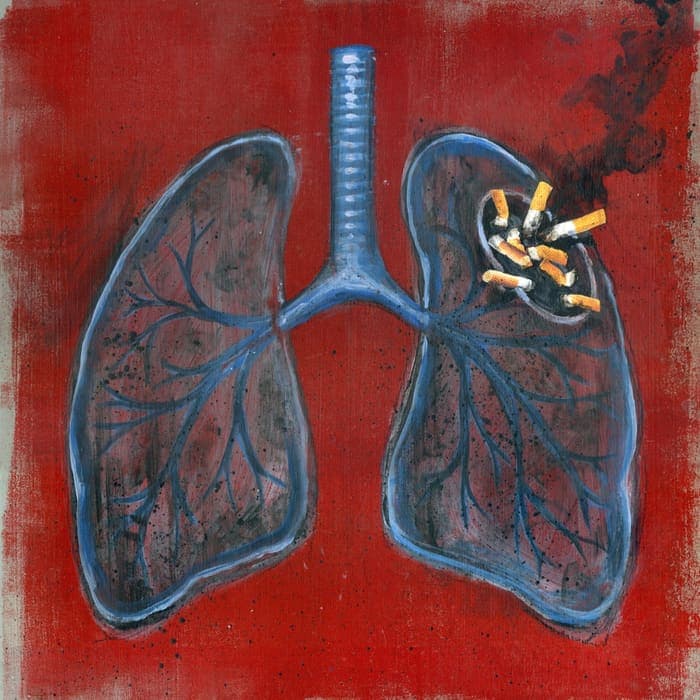
Lung cancer screening
- Smoking increases the risk of lung cancer.
- An annual low-dose CT scan is an option (although no routine screening is recommended). Please discuss with your primary provider.
Cervical cancer screening
- Cervical cancer testing (screening) should begin at age 25.
- HPV and/or Pap test.

Skin cancer screening
- Be aware of your own skin changes and discuss them with your doctor.
- Routine skin examination is needed for some patients.
- Family history of skin cancer may lead to earlier screening.
Dismantling cancer through the CHW workforce
With support from the Advancing a Healthier Wisconsin Endowment, project partners are developing a cancer screening protocol delivered through community health workers.
Read the story
All hands on deck
In need of support? We’re here to help.
Call us at 414-435-0506 (Monday – Friday, 8 am – 4 pm) or send us a message, and a community health worker will help you take the next step.
More from UniteWI
All services
Healthy Start
Support for mothers, fathers and families through family planning, pregnancy and postpartum.
Learn more
Stages of pregnancy
What to expect in each trimester, and how to approach it as a team.
Learn more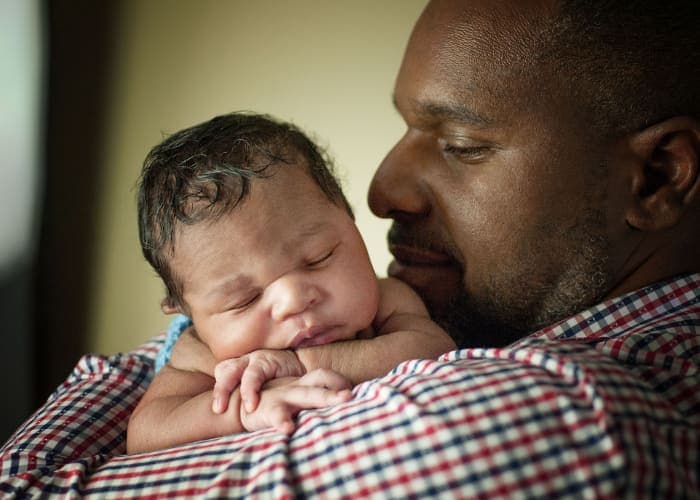
Fatherhood
Strong fathers, strong families, strong communities.
Learn more
Plan for the future
Economic and financial stability for fathers and growing families.
Learn more
Asthma
Understanding asthma triggers at home and support to breathe easier.
Learn more
Chronic conditions
Guidance and holistic support for asthma, diabetes, high blood pressure and more.
Learn more